Billy Dawson Architects: Translating Design Intent Into Visual Assets
Architectural photography is about translating an architect’s heartbeat into visual assets.
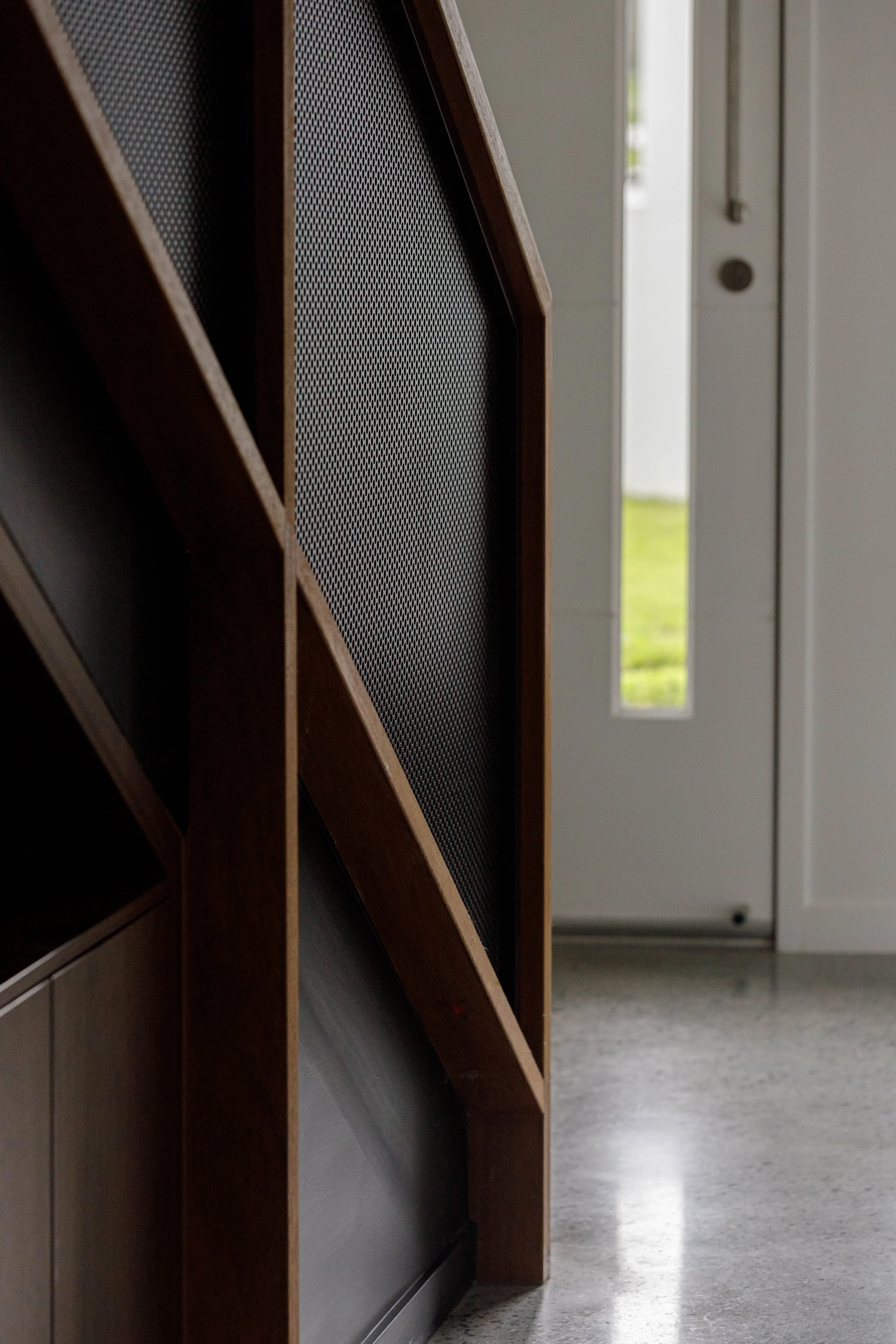
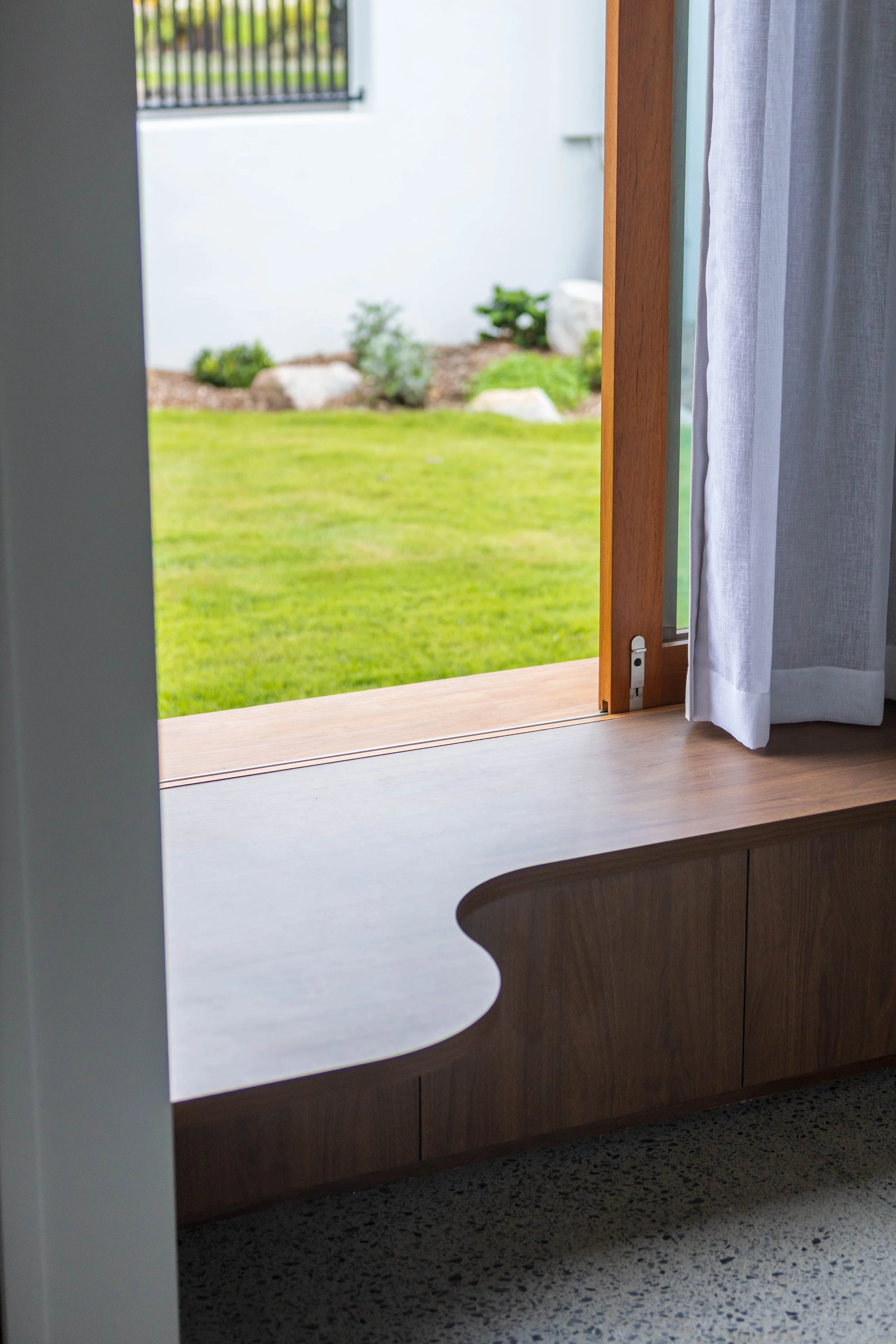
Every curve, shape and shadow in a building is a calculated design choice — dictating how natural light falls, and how a space makes you feel. Capturing that intent takes more than a wide lens and good weather.
It takes a photographer who understands that a building is never "just a building" — it's a decision, repeated a thousand times over, about how someone should feel standing inside it.
A Relationship Built Project by Project
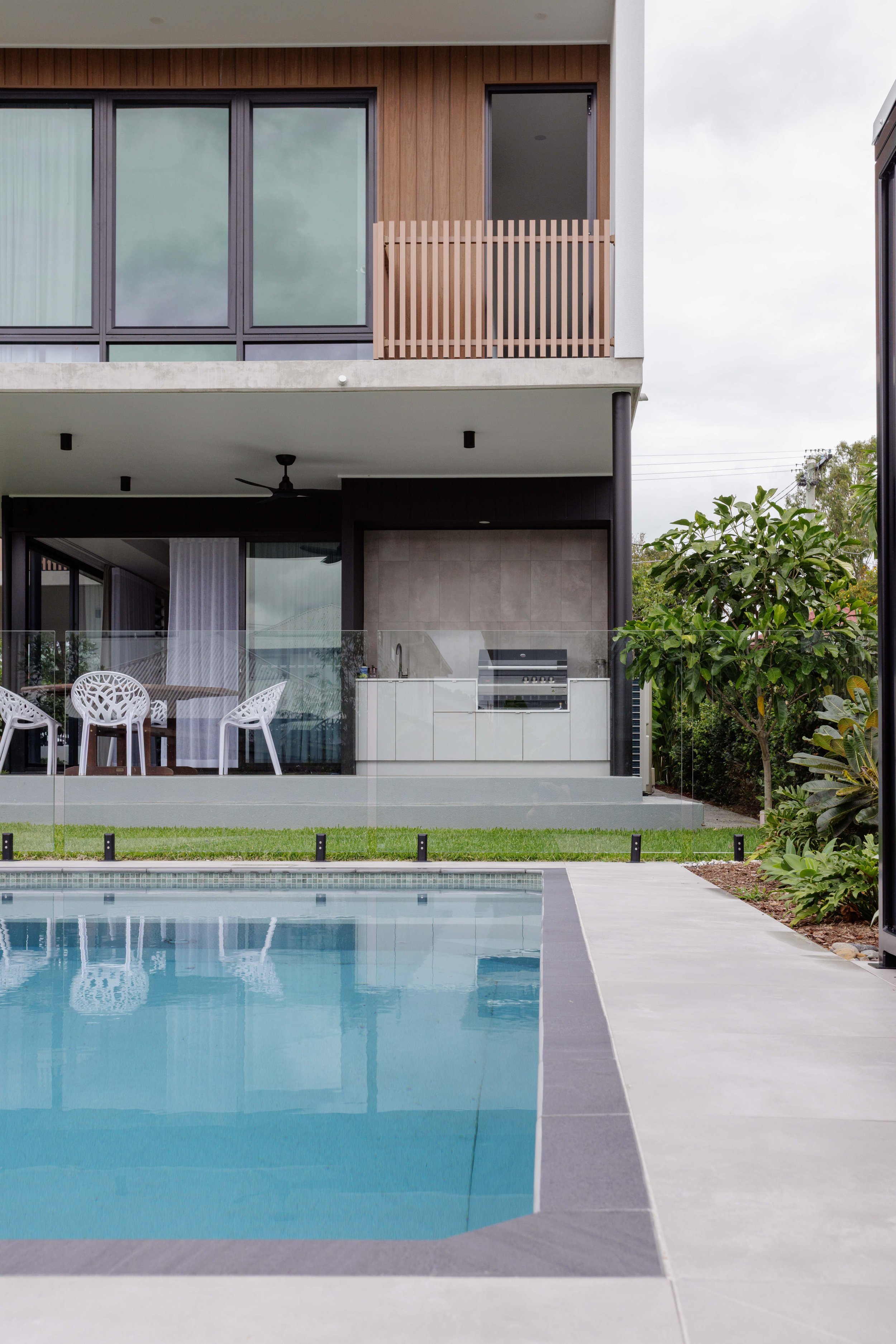
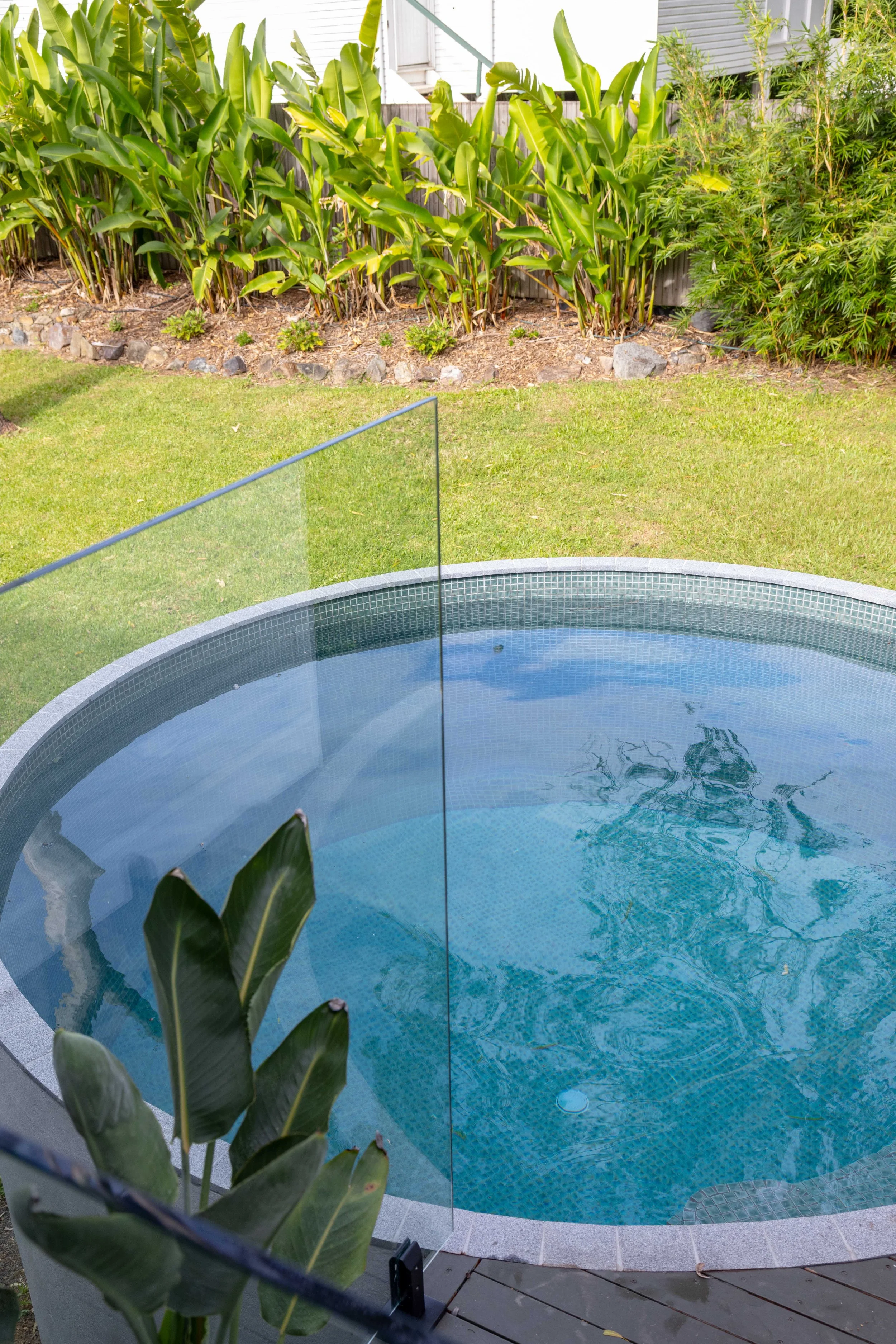
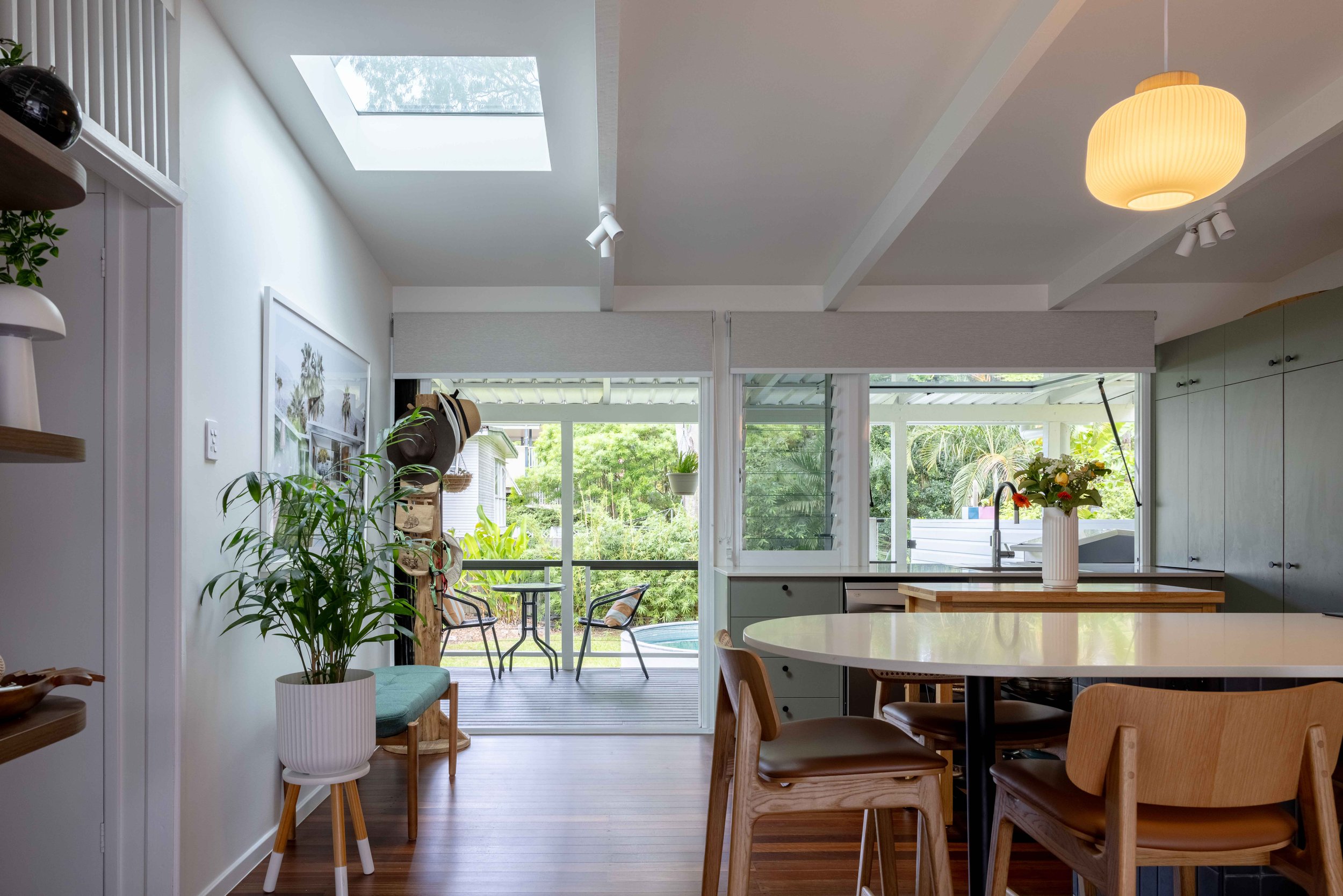
We've shot several projects for Billy Dawson Architects in Brisbane — his clients' finished homes, and, closer to home, the renovation of Billy's own house.
That distinction matters more than it might sound.
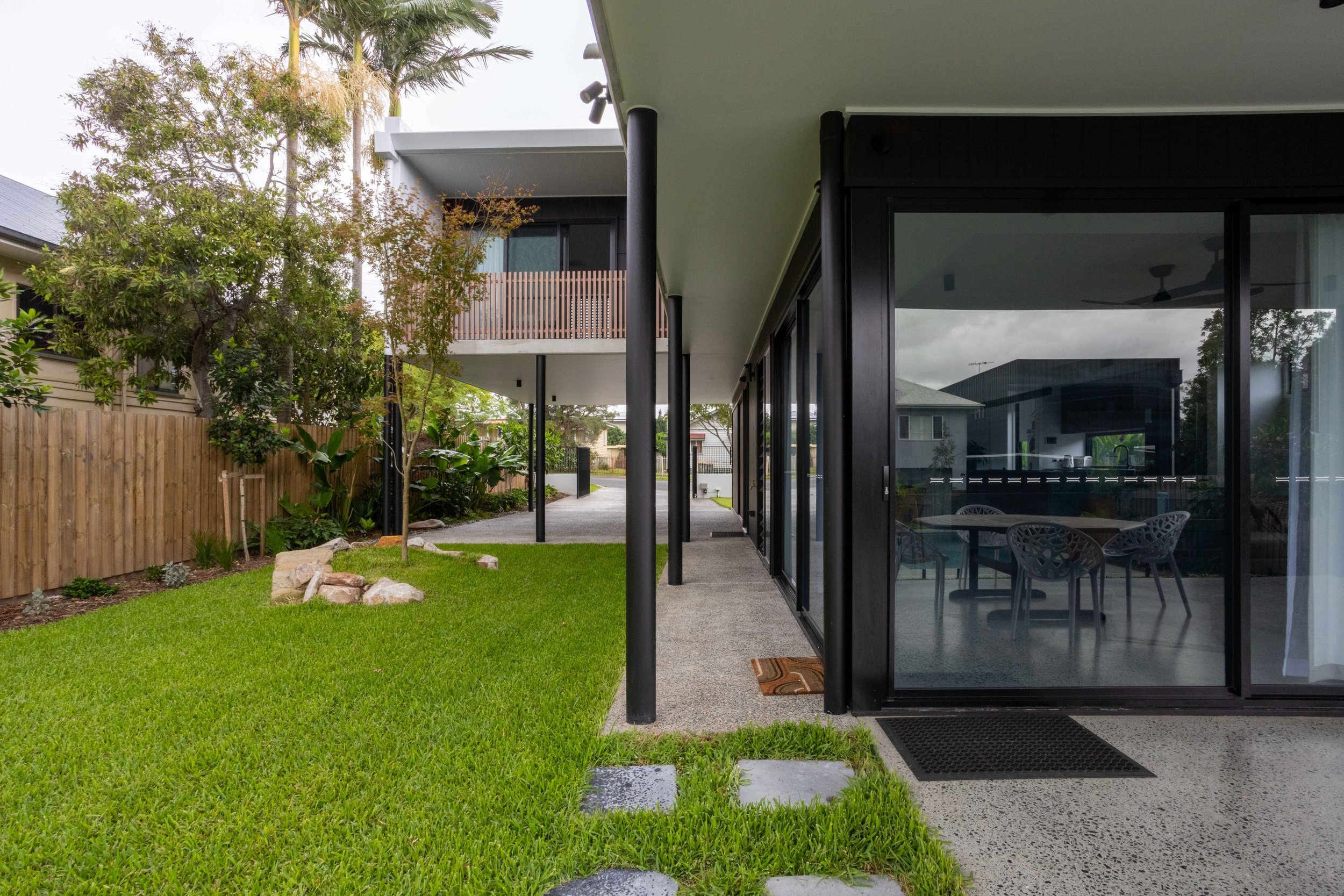
Photographing a client's home means representing someone else's brief back to them, faithfully and beautifully, for a portfolio that has to win the next client.
Photographing an architect's own renovation is different again — it's personal, it's unfiltered, and there's nowhere for a design choice to hide if the photography doesn't do it justice. Doing both, across multiple projects, is what an ongoing creative partnership actually looks like in practice: not a one-off booking, but a photographer who already understands your design language before you've explained the brief.
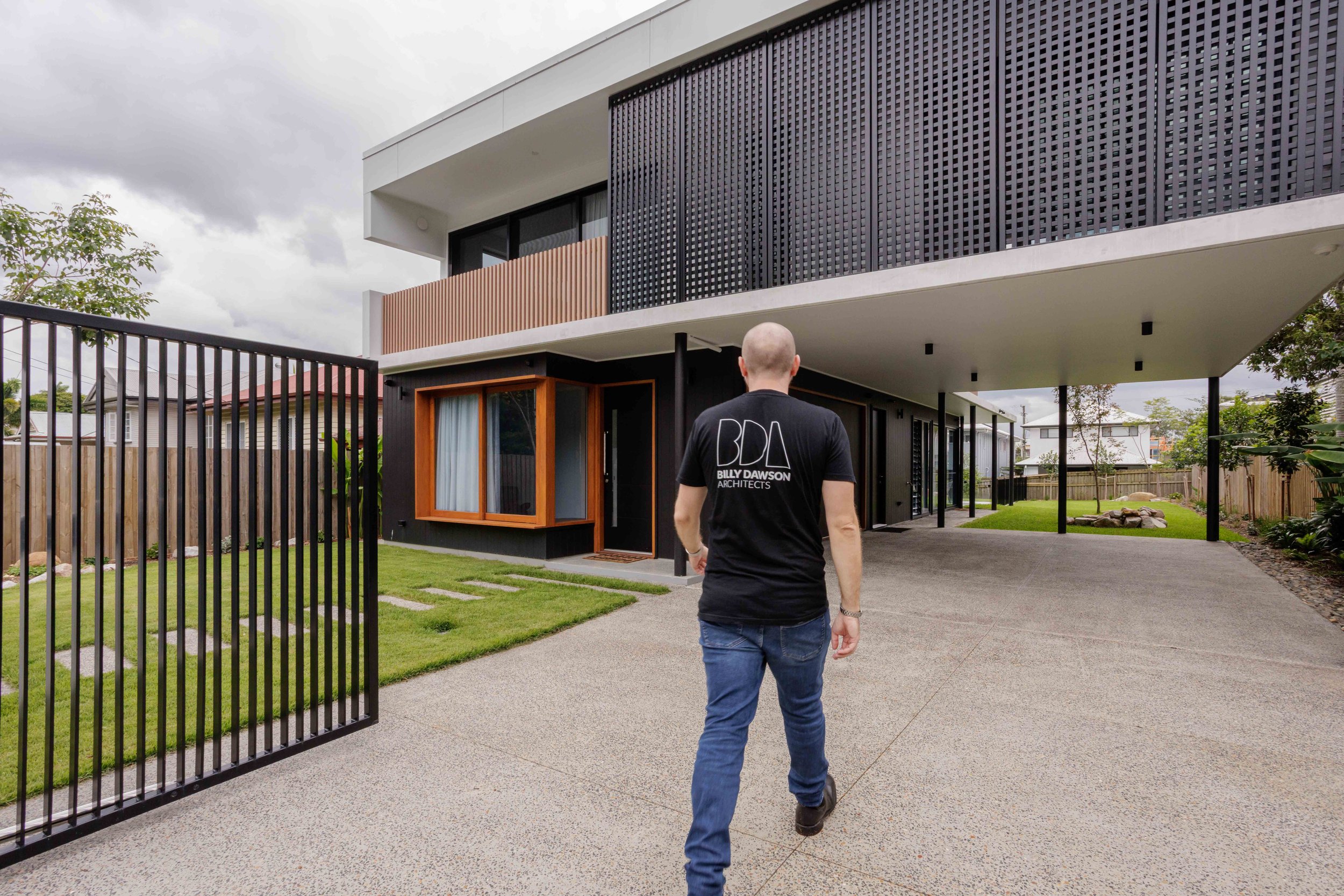
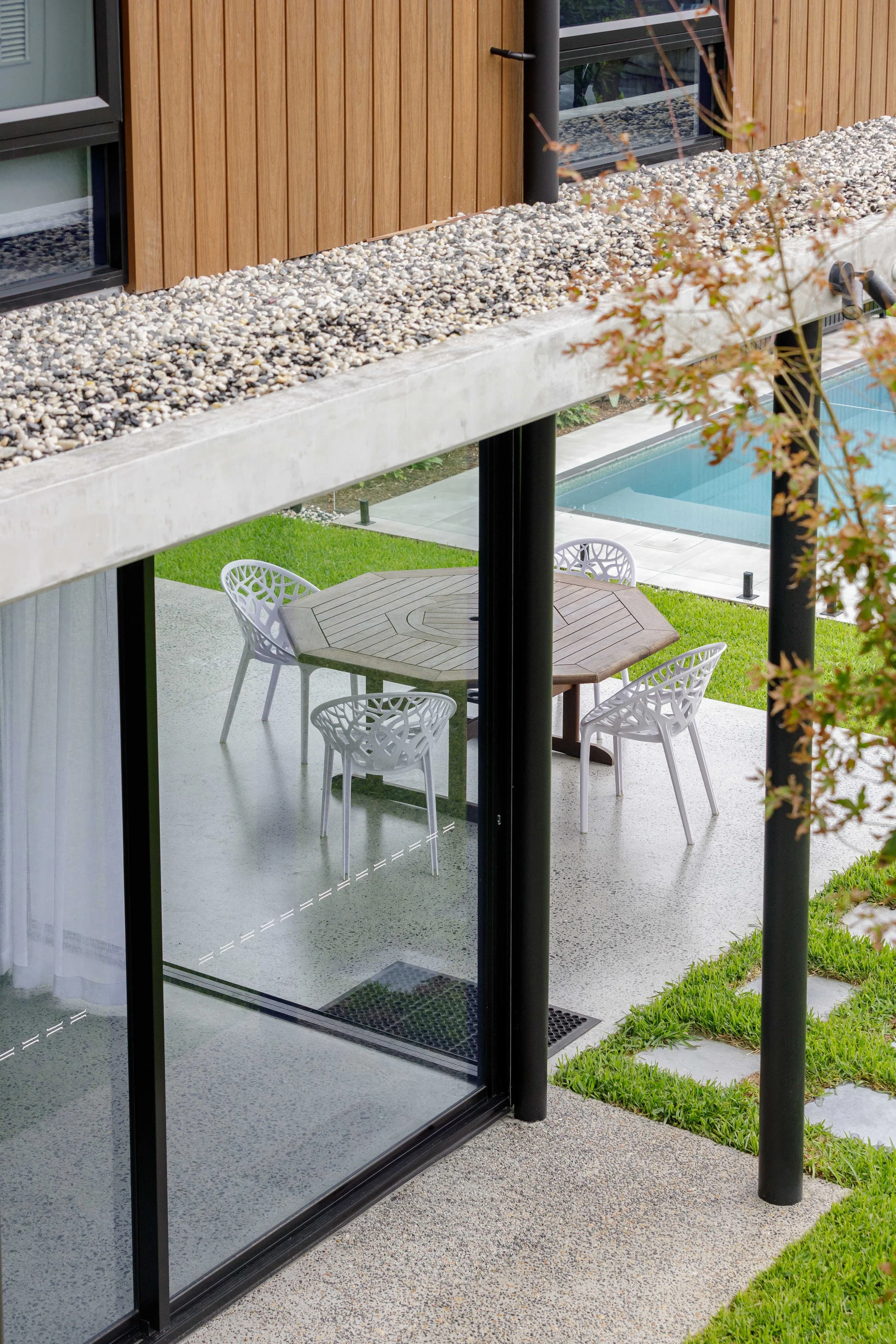
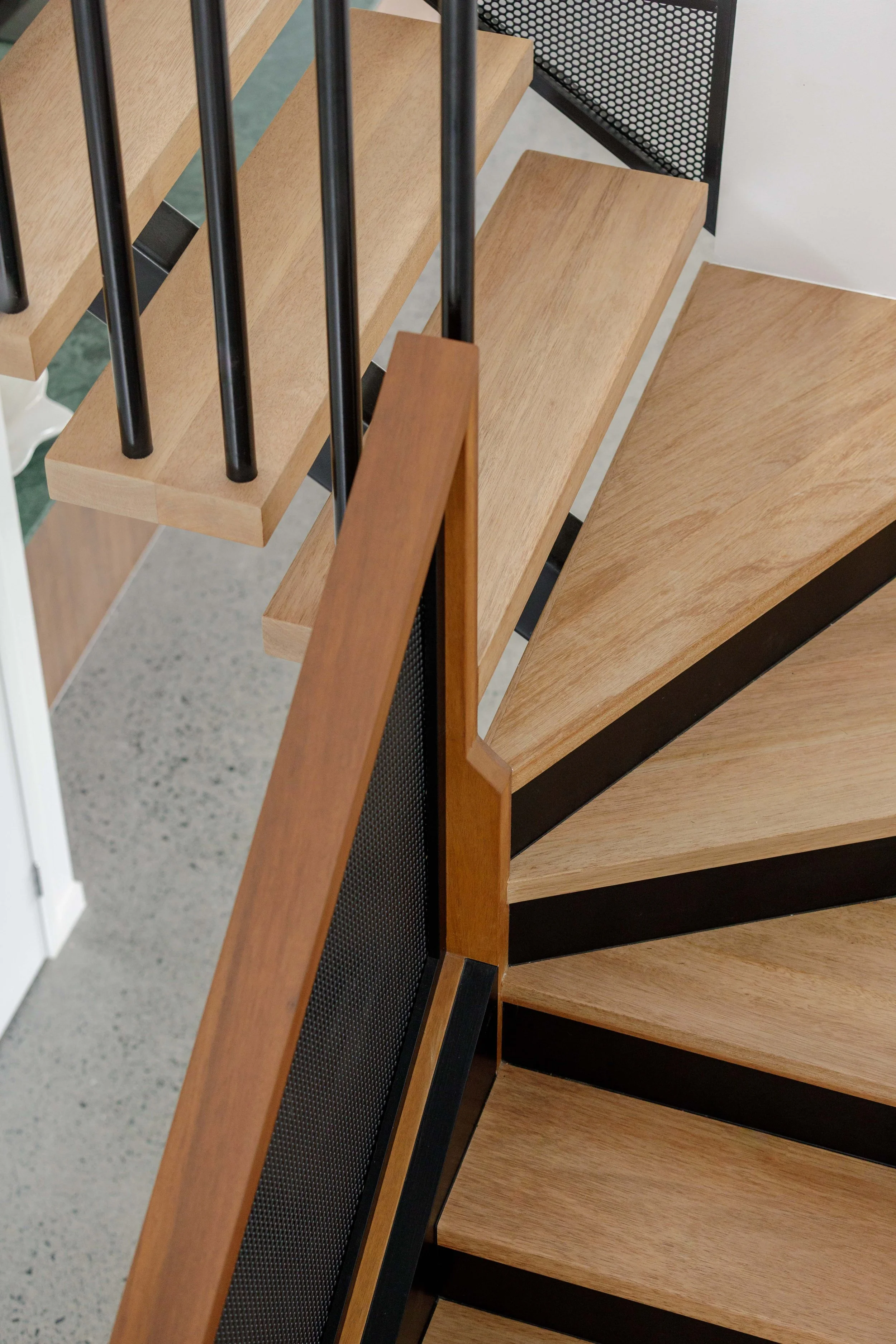
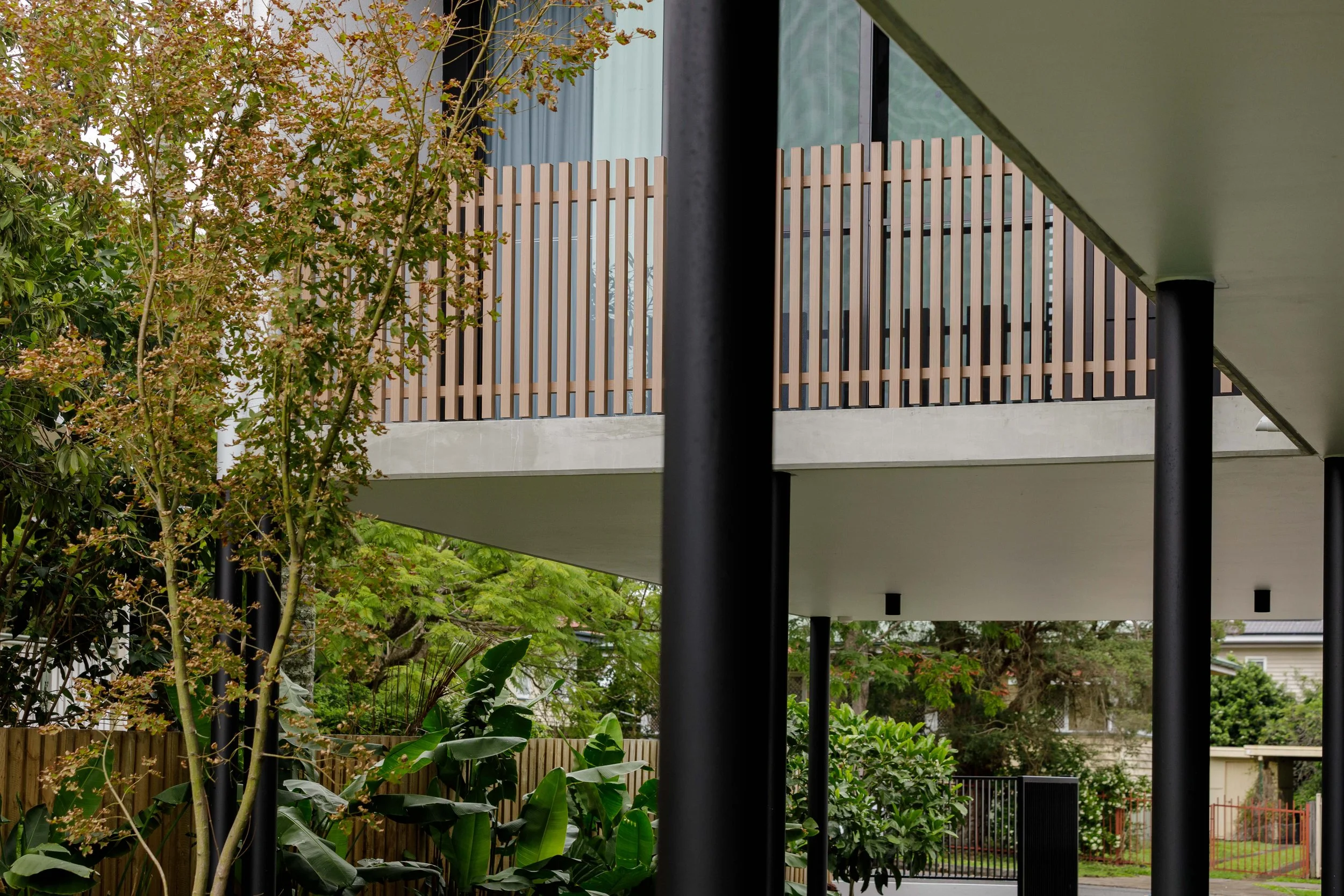
The Brief.
When we sat down with Billy Dawson Architects, the challenge wasn’t finding a striking angle. It was translating the intentionality behind their structures — the reasoning behind every line — into a single frame that reads instantly, even to someone who’s never set foot inside.
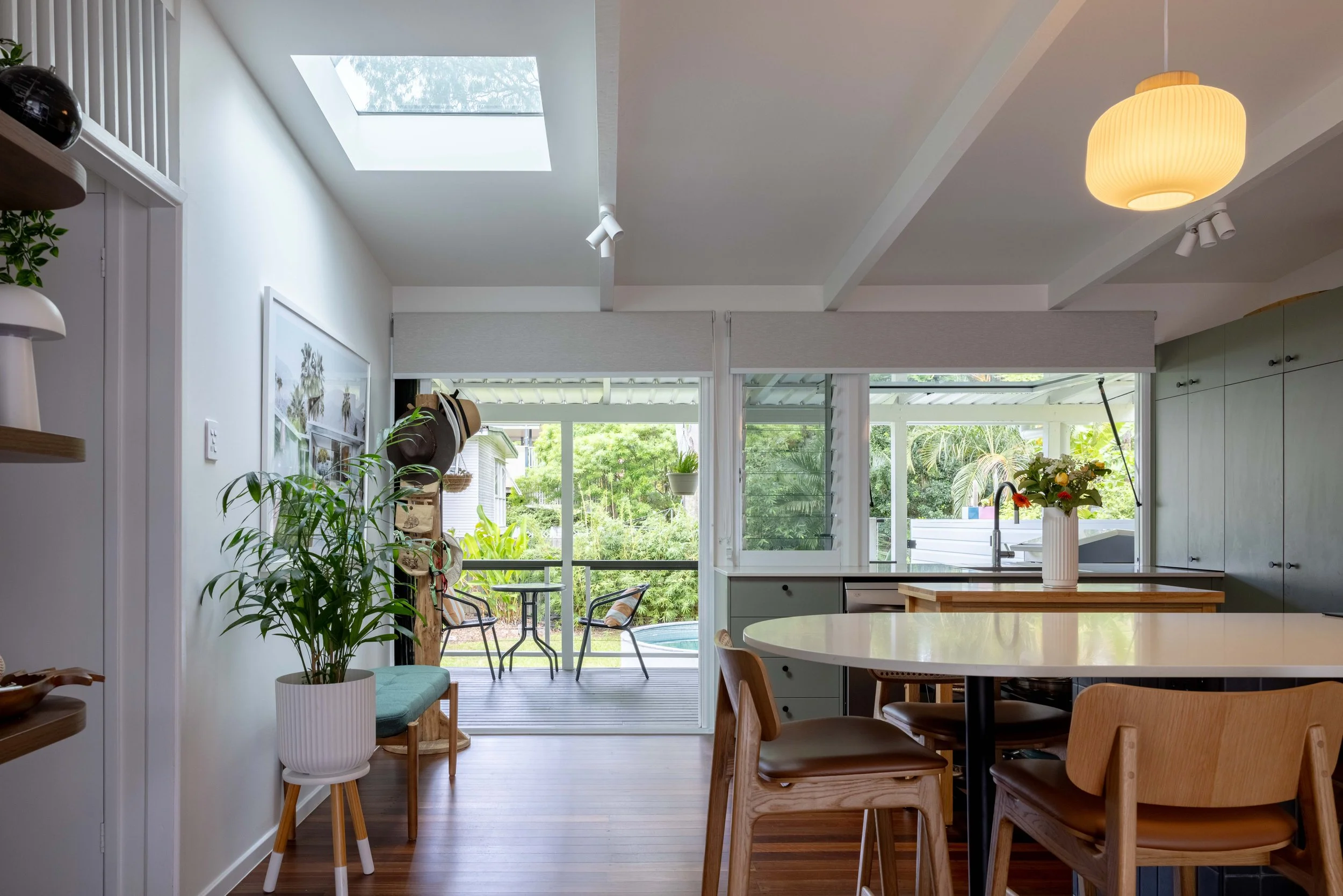
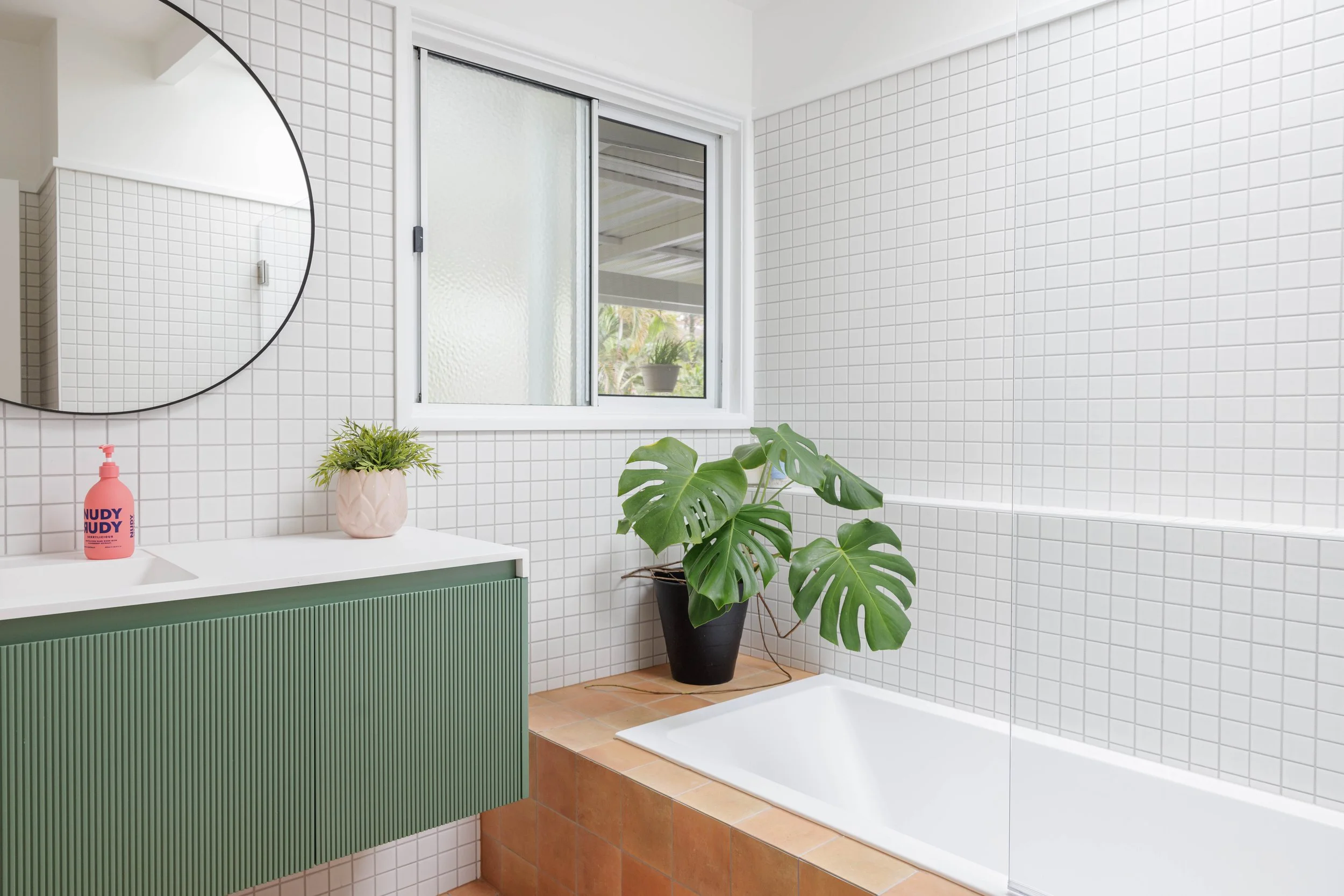
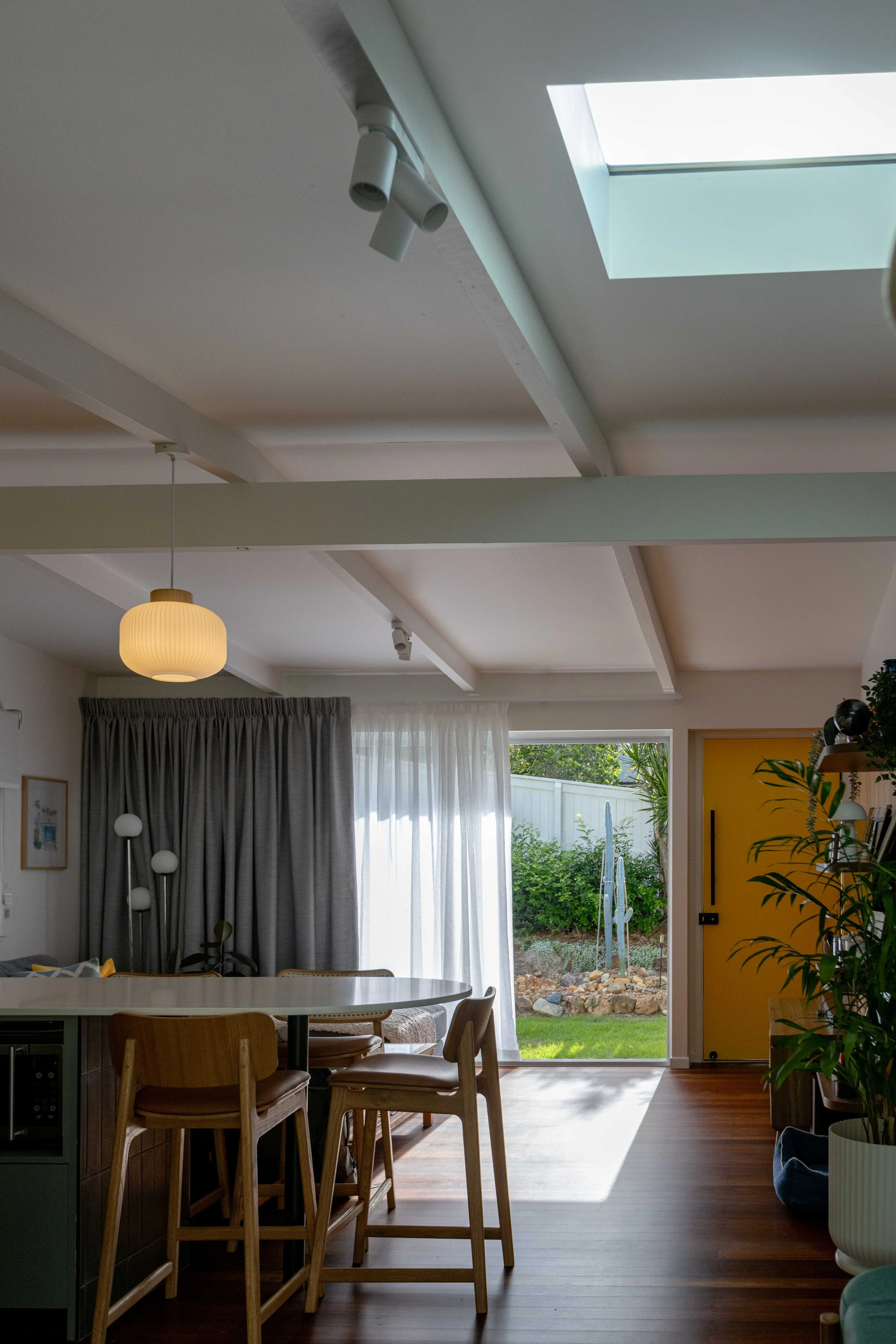
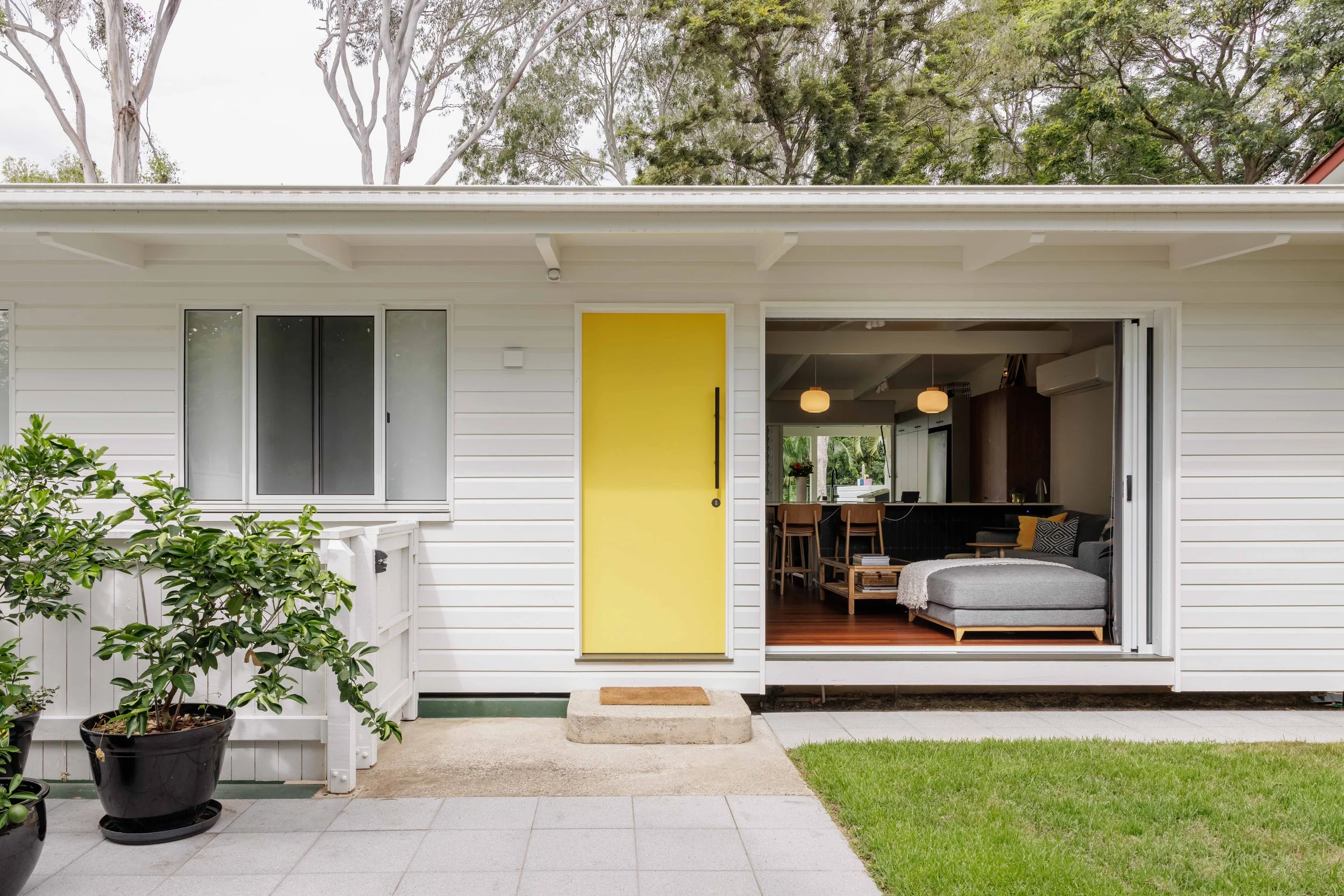
The Approach.
Premium architectural and commercial photography is one of Life Portraits’ core specialties, and it runs on the same principle as every other branding shoot we deliver: understand the strategy before you pick up the camera.
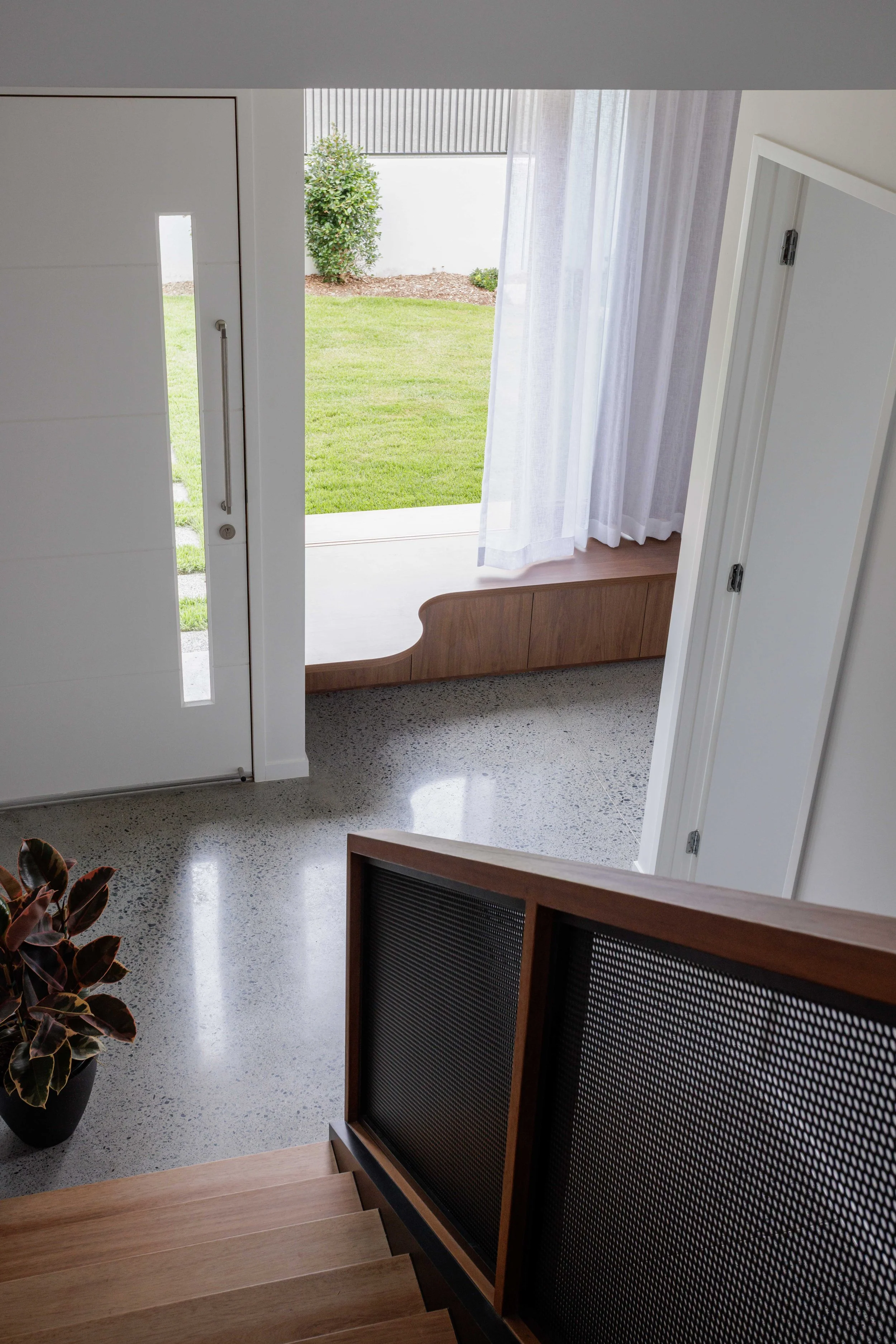
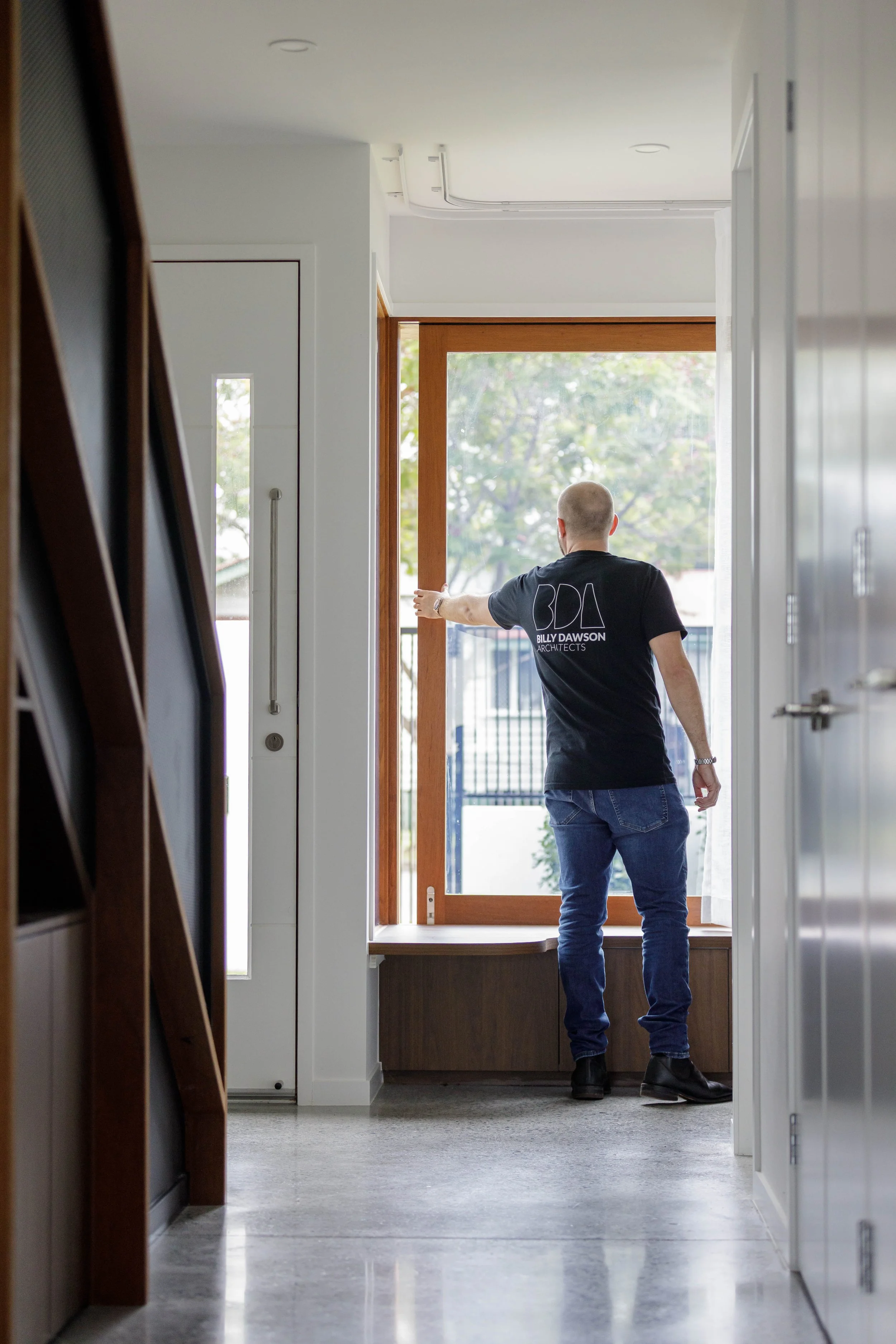
We worked through the building's design logic with the Billy Dawson team before a single frame was shot, so the final images capture atmosphere, not just geometry — the way morning light lands on a stairwell, the sightline an architect fought for, the material choice that only reads correctly from one specific angle.
The Result.
For an architecture practice, the difference between a portfolio that looks like a construction record and one that looks like a design statement comes down to exactly this: photography that was briefed with the same intentionality as the build itself.
In today’s fast-paced digital market, your imagery is your digital handshake — it builds instant authority and justifies premium value before a client has read a word of your pitch. For an architecture practice, that’s the difference between a portfolio that looks like a construction record and one that looks like a design statement.
Ambitious founders, architects, builders and designers: if your built work deserves the same level of intentionality in how it’s photographed as it took to design, this is worth the conversation.